Why Is Facial Proportionality Attractive?
Why do humans tend to prefer faces that are well-balanced and proportionate? Contemporary theories converge on several, partly overlapping explanations that connect proportionality to deeper biological and cognitive processes.
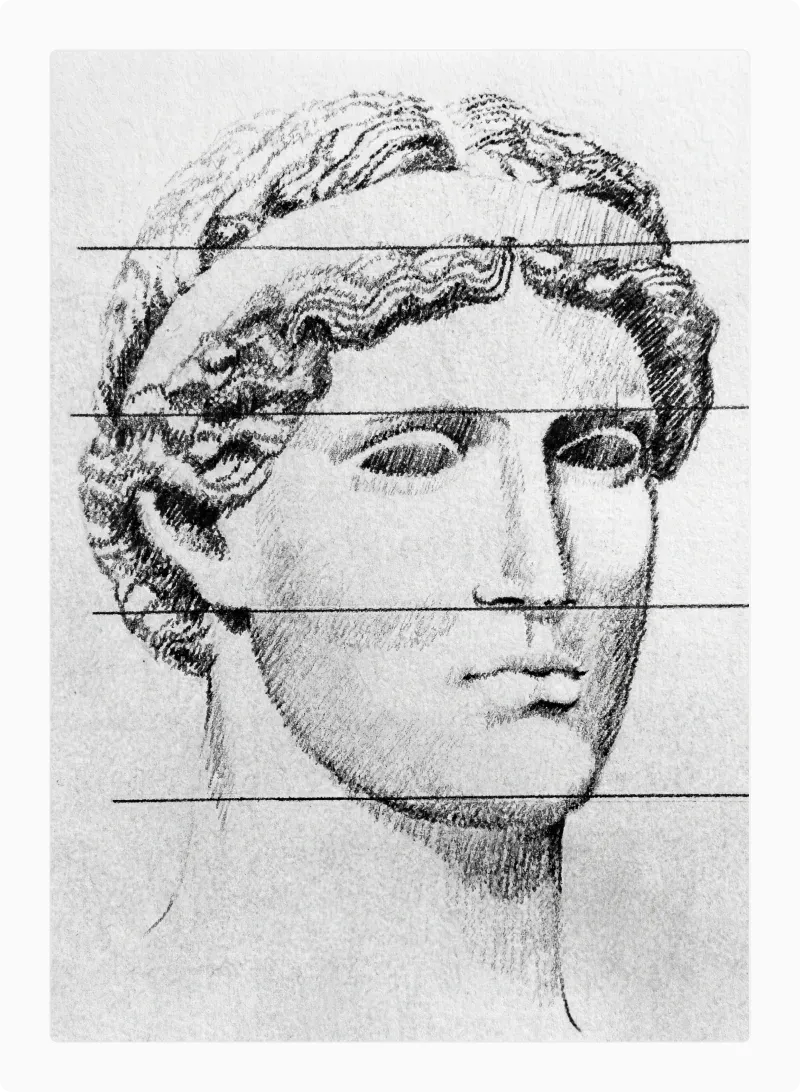
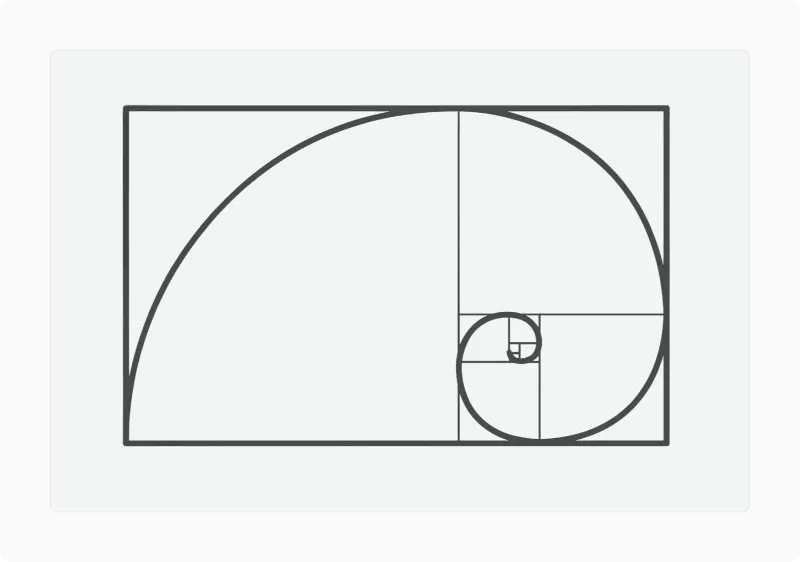
Renaissance theorists such as Alberti and Leonardo da Vinci thought that an ideal face could be described using fixed ratios between parts.
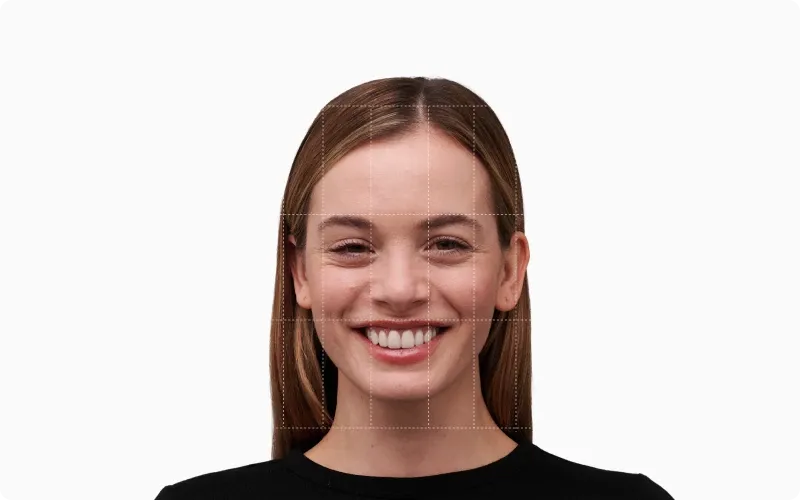
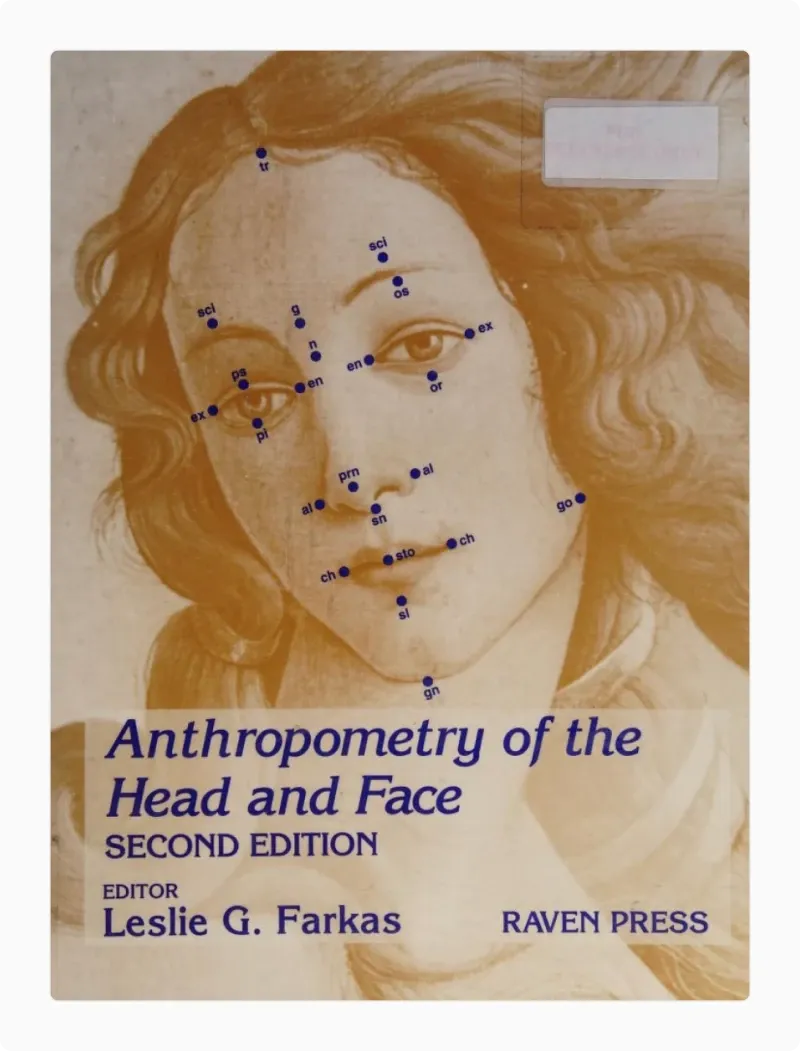
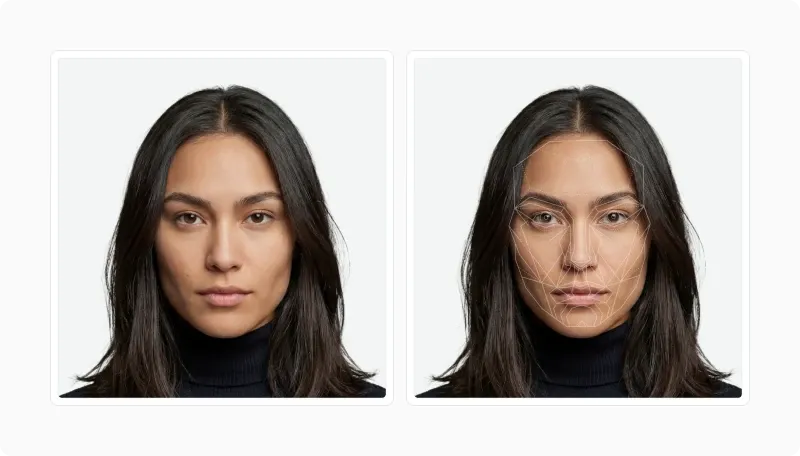
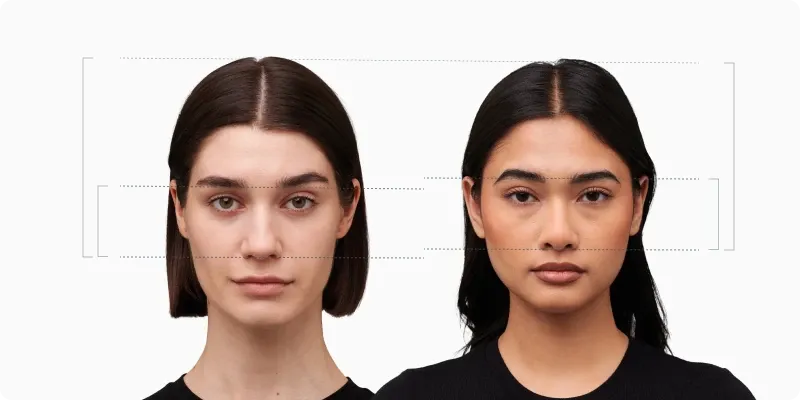
Equal facial thirds, regular spacings of the eyes, and predictable relations between the nose, mouth, and chin were used to define ideal proportions26,27.
The ‘Good Genes’ Hypothesis
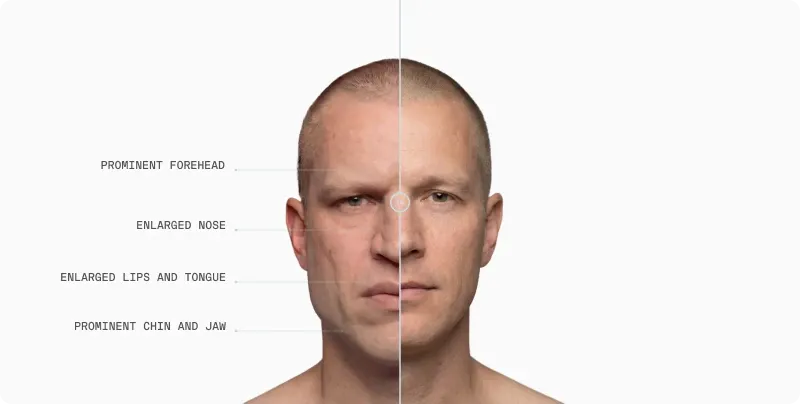
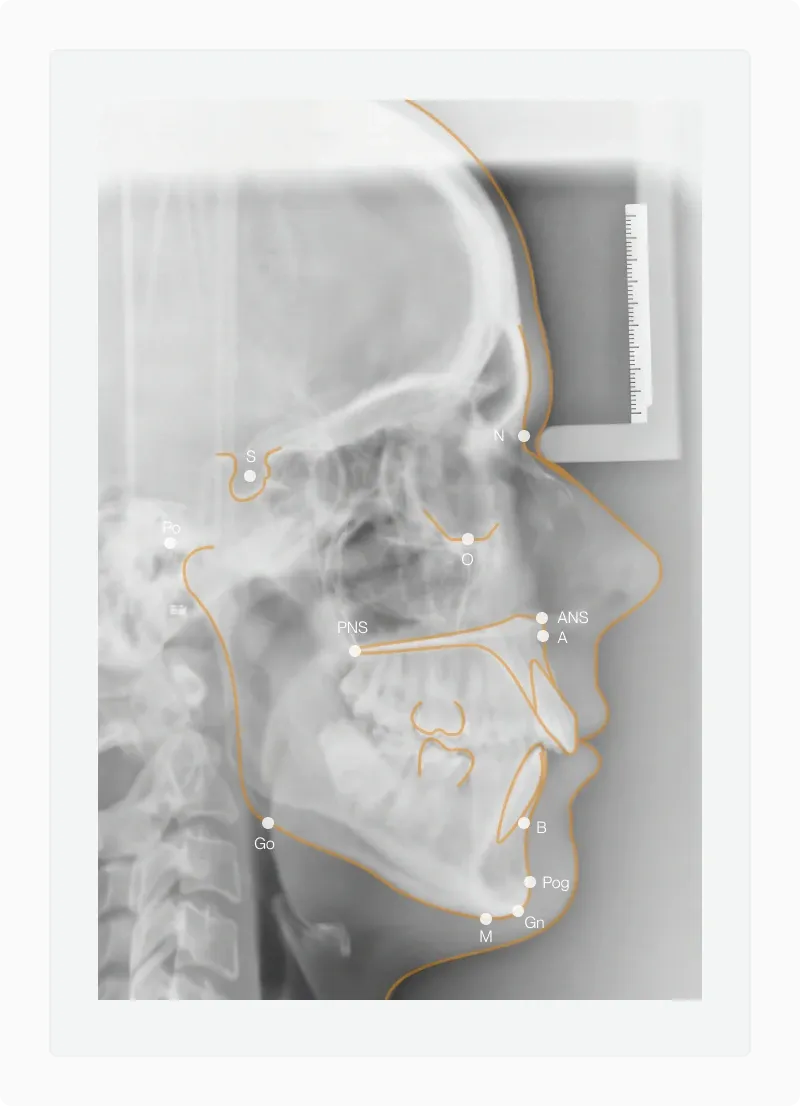
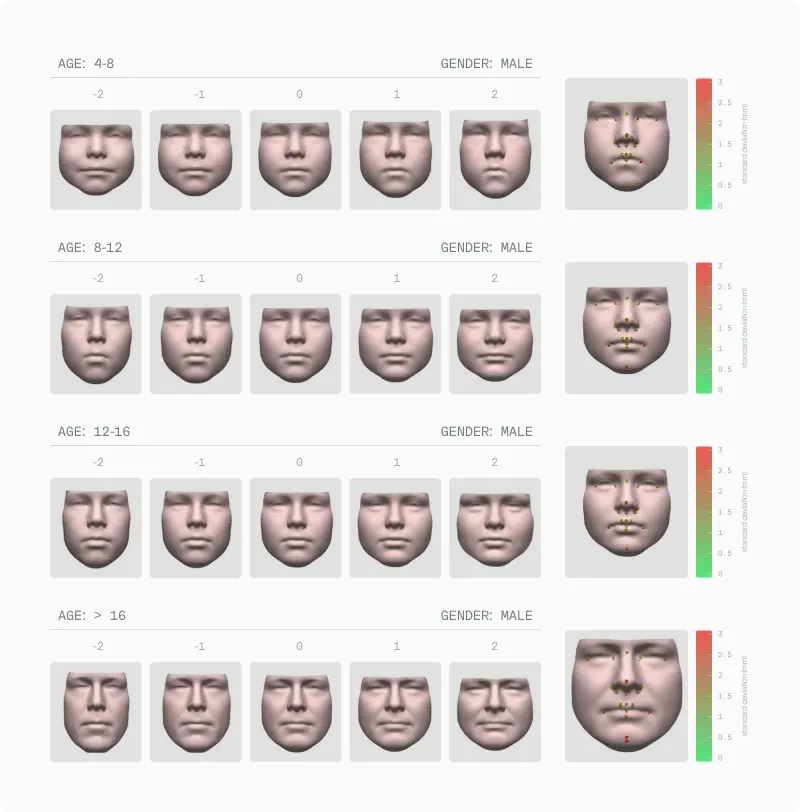
Evolutionary scholars argue that our attractiveness preferences track traits that, on average, signal genetic quality, developmental stability, or health7,10. Proportionality, in this view, arises when multiple facial components grow in a coordinated fashion. Disproportionate features, for instance, an extremely retrusive midface, severe mandibular prognathism, and marked orbital asymmetry, often accompany congenital syndromes or significant developmental complications. Proportional indices are actually widely used in clinical contexts as screening tools in craniofacial centres3.
Of course, this does not mean that every minor deviation from proportional norms indicates ill health. Across large samples, however, more extreme disproportions are statistically associated with skeletal malocclusions, airway compromise, or syndromic diagnoses, whereas faces within moderate proportional ranges tend to be phenotypically and functionally typical2,3.
In this sense, humans have evolved to implicitly associate facial (dis)proportionality with health and fitness outcomes, and a bias against significant deviations from the mean may generalise to attractiveness judgments. In other words, we “play it safe” by favouring more proportional and average faces, even if most deviations are not actually related to clinical conditions.
Preference for Averageness
A large body of work shows that mathematically averaged composite faces are typically judged more attractive than most of the individual faces that went into them8. Averageness is a statistical property: the average face represents the central tendency of the population’s shape and proportion distribution. As such, it minimises unusual combinations of lengths, widths and angles.
Rhodes’ highly influential meta-analysis concluded that averageness contributes independently to attractiveness perceptions across cultures7. Proportionality is woven into this package: the “average” face is a proportionally coherent one in which the various features and configurations fall near the population mean. Faces that deviate too far move away from this prototype and are often perceived as less attractive unless other features can compensate.
It's worth noting that more recent studies show that the most attractive faces deviate in specific ways from the mean21. For a detailed overview of this topic, please refer to our article Averageness and Beauty.
Preference for Symmetry
Our article on symmetry emphasises that bilateral symmetry is a modest but robust predictor of attractiveness. Symmetry is related to proportionality in that many proportional relationships are bilateral (eye fissure width left vs right; gonial angles; alar bases). When growth is coordinated, both sides tend to develop similar lengths and angles; when it is disrupted, disproportions and asymmetries often co-occur. Meta-analytic work indicates that the correlation between symmetry and attractiveness persists across cultures and stimulus types7. Proportionality can be thought of as symmetry extended into multiple dimensions: not only are left and right sides matched, but vertical and horizontal segments are also aligned relative to one another.
The ‘Processing Fluency’ Hypothesis
Cognitive psychology provides a complementary explanation: the processing-fluency hypothesis. Reber and colleagues argue that aesthetic pleasure is, in part, a function of how fluently a stimulus can be mentally processed: stimuli that are prototypical and symmetrical are easier for the visual system to encode and categorise, and this ease is experienced as liking9.
As we’ve mentioned previously, faces with balanced proportions are closer to our mental prototypes and therefore require less effort to process. In other words, they are categorised quickly and easily because they ‘match’ our mental models for that category. Neuroimaging work supports this idea: faces classified as attractive elicit efficient responses in face-selective regions and reward networks, consistent with the idea that perceptual ease is intrinsically rewarding22. Studies in cognitive neuroscience have also shown that faces closer to the average and, by extension, proportional, are not only processed faster but they require less ‘brain power’ (smaller neural signals)23.
Social and Cultural Effects
Beyond biology and basic cognition, proportionality is embedded in cultural aesthetics. For centuries, training in art, sculpture and even photography has taught practitioners to structure faces and compositions according to proportional schemes, often reflecting classical and neoclassical conventions1. It is therefore very likely that media representations of “ideal” faces tend to cluster around certain proportional ranges.
Observers thus get disproportionate exposure to a certain configuration of proportional faces in advertising, film and social media. Exposure shapes our perceptions of beauty as it influences mental prototypes and associates specific facial aesthetics with other desirable traits (success, power, status)24.