Health & Fertility Signal
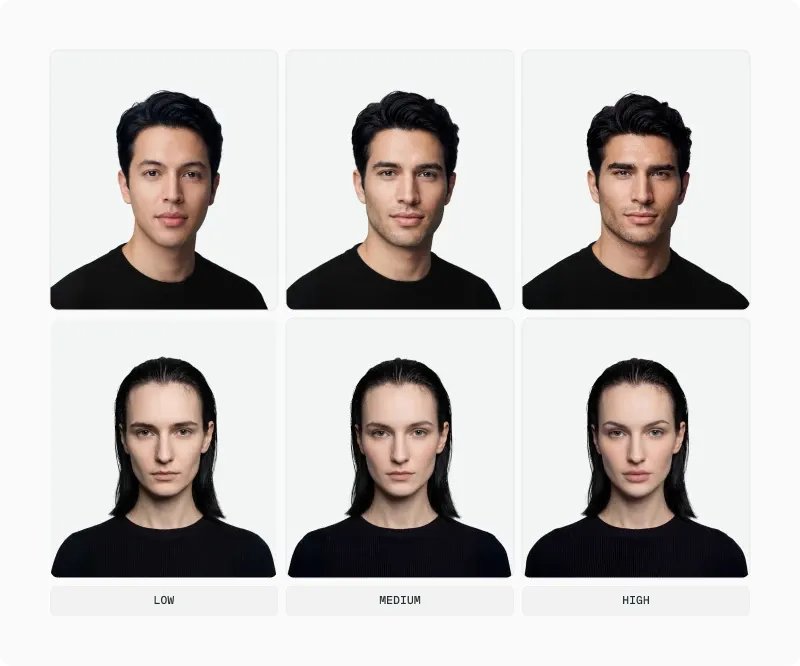
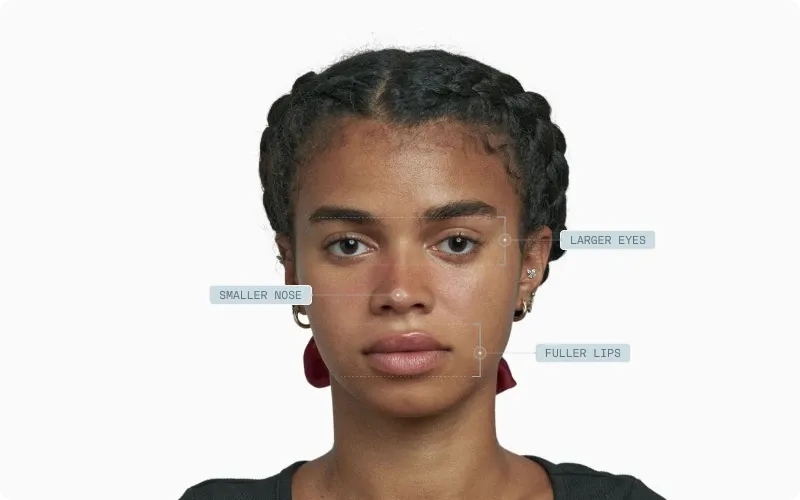
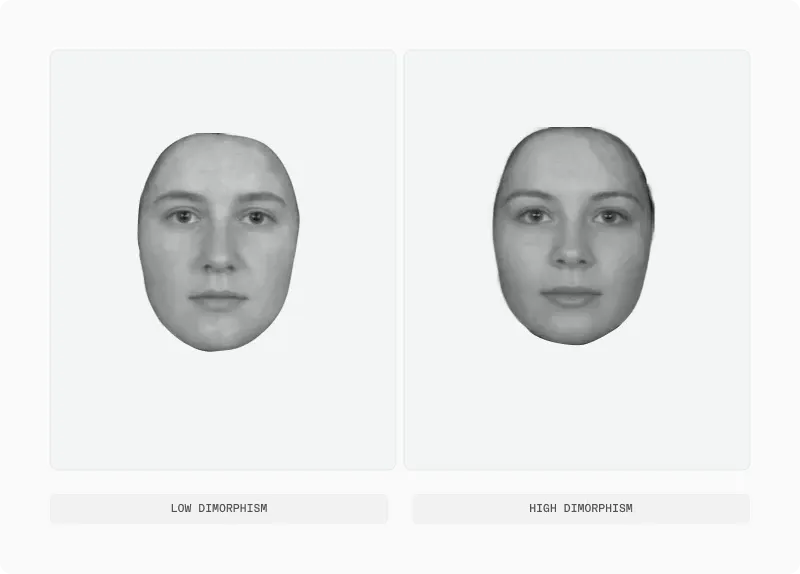
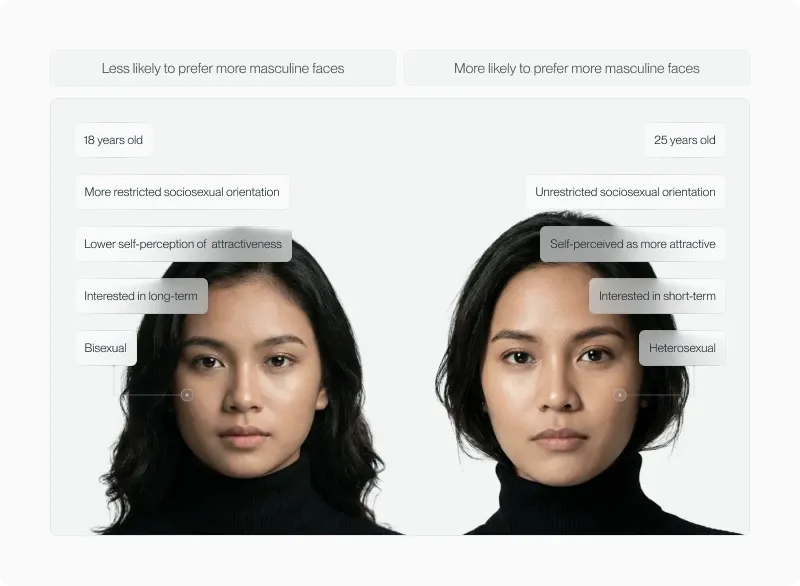
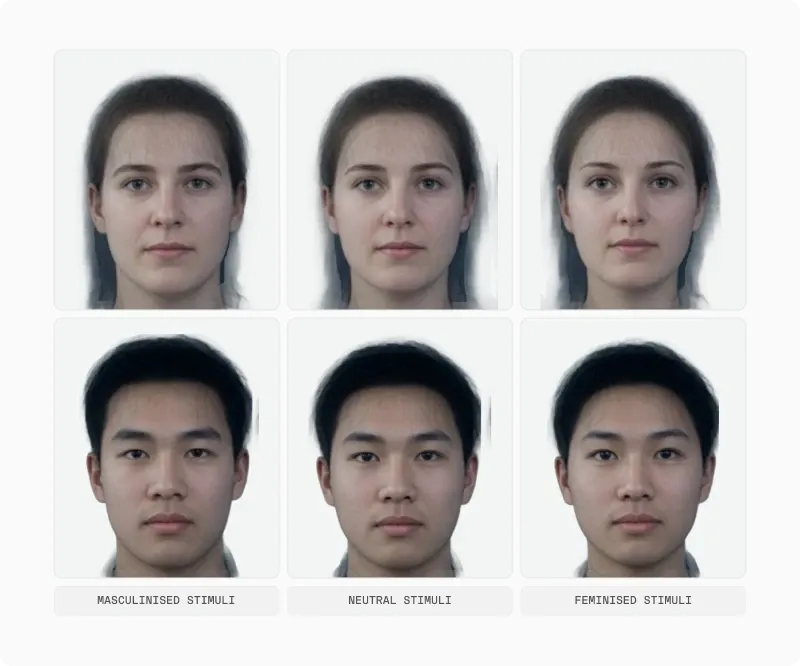
Femininity in women is strongly tied to oestrogen-linked traits and neoteny, meaning that it acts as a signal of youth, fertility, and overall reproductive health. The result is that feminine traits are preferred cross-culturally ("fertility hypothesis"). Even if objective health links vary, the perception of health/fertility is robust, and perceptions strongly drive choice10,24.
Dating Dividend
Increasing femininity reliably improves mate desirability and expands options in both short- and long-term contexts, with supportive evidence across manipulated and natural faces14.
The Confidence Loop
Improved appearance, through increased feminine facial features, can positively impact self-perception. Studies reveal that people with a more positive self-image carry themselves in more attractive ways, with an improved posture, a steadier gaze, and increased social approach25,26. It is considered a loop because increased confidence leads to attractive behaviours, which in turn lead to positive social feedback, increasing confidence again.
Self-Esteem Multiplier
Achieving a glow-up or enhancing facial aesthetics can elevate one’s self-esteem, which in itself is associated with a large number of positive benefits27. Psychological research has shown that self-esteem is associated with better mental health, resilience, improved interpersonal relationships, and life satisfaction26,28.
The Masculinity Trade-Off
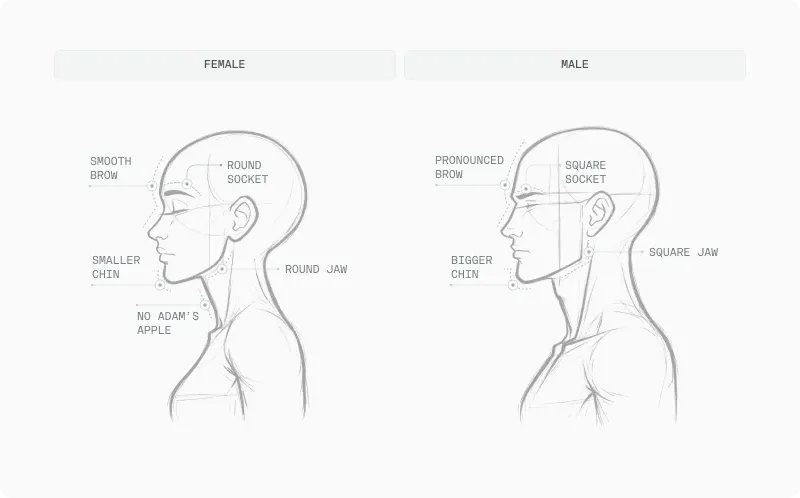
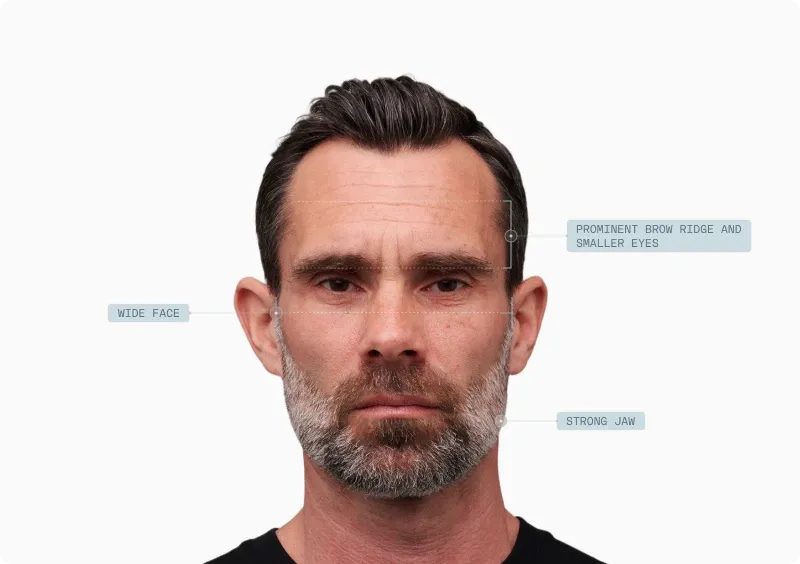
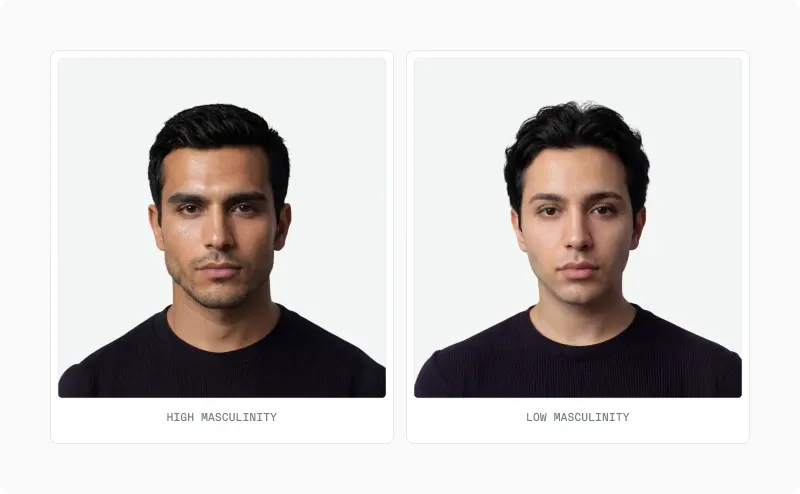
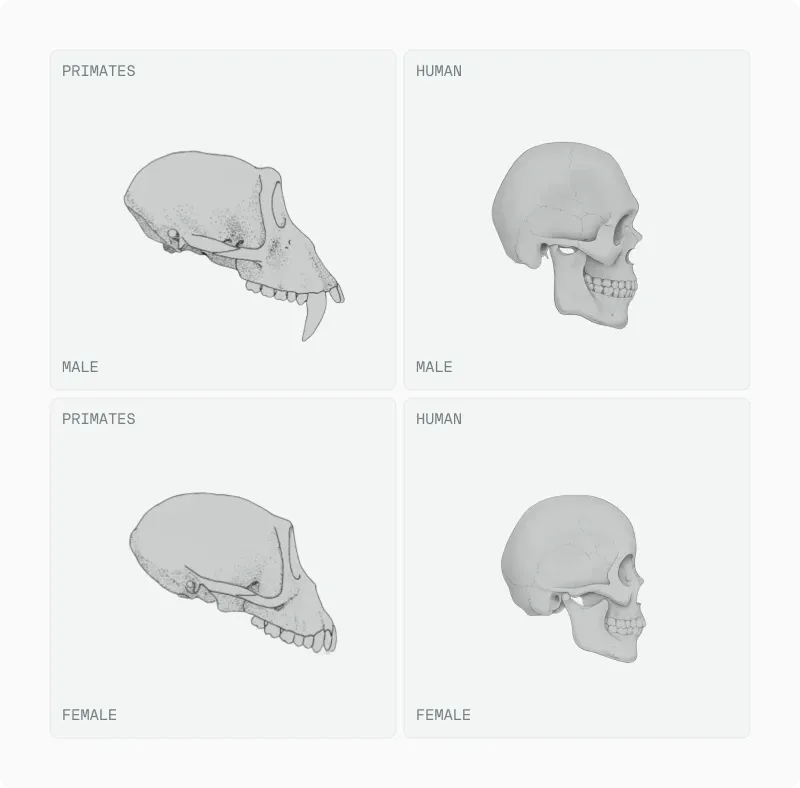
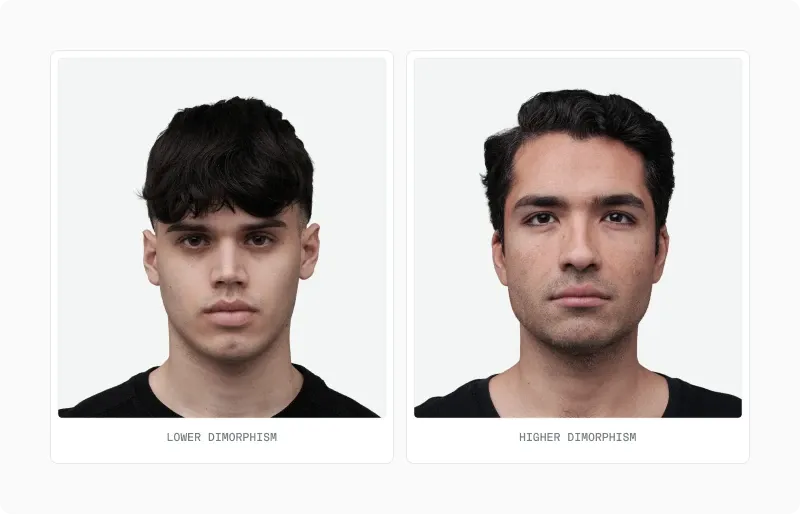
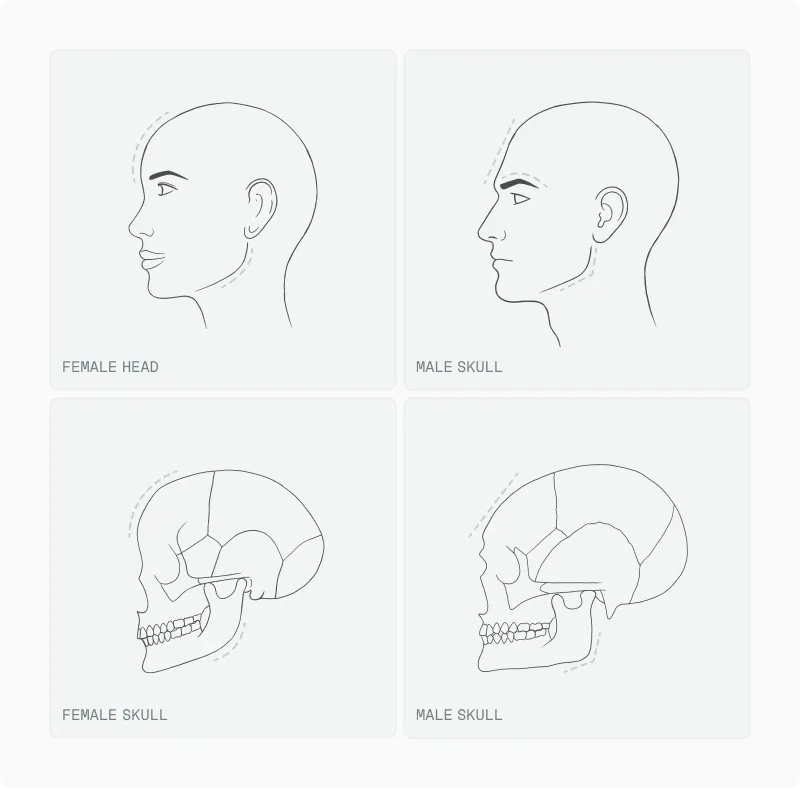
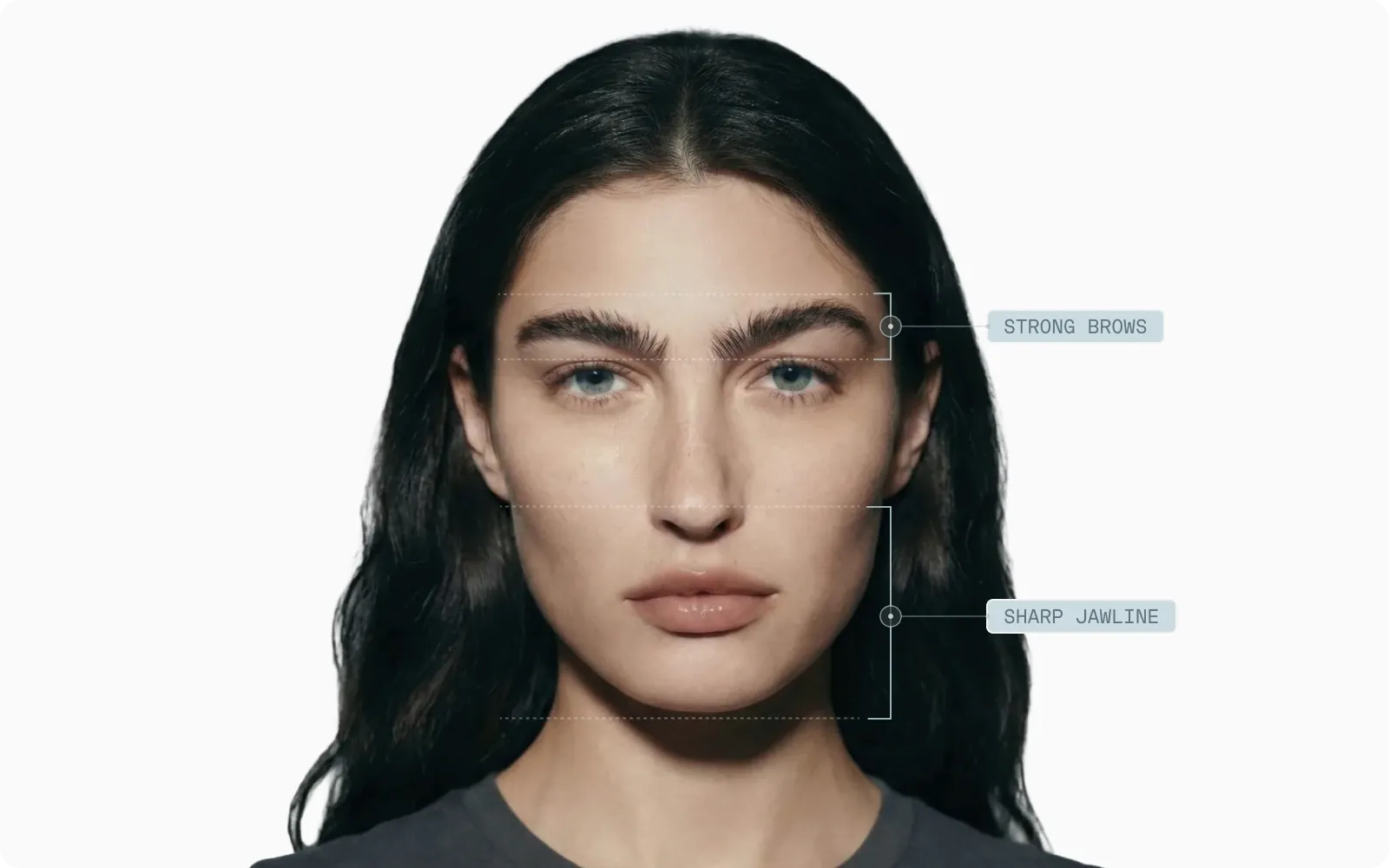
By contrast, facial masculinity in men (pronounced brow ridge, wider jaw, longer lower face) brings mixed returns. Preferences for highly masculine male faces are not universal and often vary with ecology and culture; some populations prefer neutral or slightly feminised male faces11, 29. Masculinity can signal dominance and physical strength, but it can also reduce perceived warmth, honesty, and parental investment, which matters for long-term partner choice10. In this scenario, enhancing masculine features can give you an advantage in certain fields, but often at a cost.
Dominance & Strength Signal
More masculine faces are read as physically stronger and higher-status30, which can confer advantages in zero-sum or competitive contexts (male-male competition, protection/status heuristics). This is the clearest upside of male facial masculinity.
Short-Term Mating Advantage
Some studies have suggested that masculine faces can attract short-term interest in some contexts31; however, the same traits may not convert to long-term choice when care, warmth, and reliability are prioritised. Increasing masculine facial features, nevertheless, might give you the upper hand in short-term mating scenarios.
Warmth & Trust Trade-Off
The cost side: highly masculine male faces are often judged as less cooperative and lower in parental investment (an echo of the “dominance vs. dad” trade-off)15. An overall attribution of poor prosocial attributes to very masculine faces can hurt long-term partnership prospects or leadership evaluations in high-trust, collaborative environments10, 15.